

Online gambling has always evolved alongside technology. The rise of live dealer tables, mobile apps, and cryptocurrency payments changed how players interact with casinos, but the metaverse introduces something much larger than another technical upgrade. It changes the entire idea of what a casino can feel like. Instead of clicking through flat menus and static interfaces, players are beginning to enter persistent virtual spaces where gambling, entertainment, social interaction, and digital ownership exist together.
The concept of a casino metaverse is no longer limited to science fiction or experimental gaming communities. Virtual worlds now host poker tournaments, slot halls, NFT-based VIP clubs, and crypto gambling ecosystems that operate around the clock. Some environments resemble luxury resorts, while others look more like futuristic gaming cities filled with interactive experiences. What matters is not only the visual presentation, but the psychological shift taking place among players. Many users no longer want a purely transactional gambling platform. They want immersion, identity, status, and a sense of presence inside a digital world.
This transition is especially noticeable among younger audiences who already spend significant time inside online ecosystems like multiplayer games, virtual social hubs, and creator-driven platforms. For them, the movement from gaming worlds into casino metaverses feels natural rather than revolutionary. Gambling becomes part of a broader digital lifestyle rather than a separate activity opened in another browser tab.
The rise of immersive casino environments
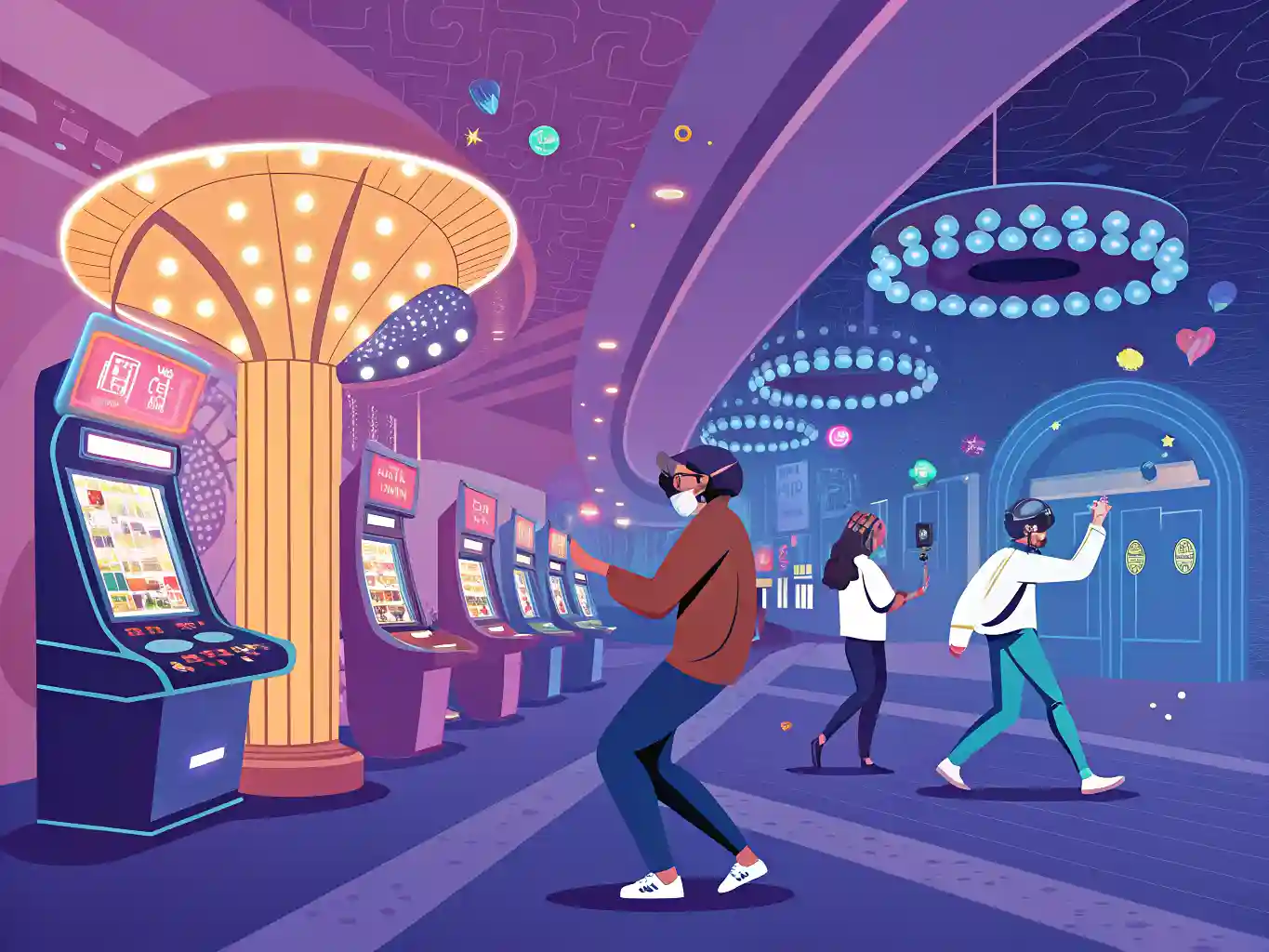
Traditional online casinos are built around efficiency. The player signs in, deposits money, chooses a game, and starts playing. That structure still dominates the industry, but metaverse casinos introduce an environment-first approach. The virtual world becomes the product, while gambling is only one element inside it.
Players can walk through digital casino floors using avatars, interact with others in real time, attend virtual concerts, participate in social competitions, or purchase digital property connected to the ecosystem. Instead of isolated gaming sessions, users experience something closer to a virtual entertainment destination.
The strongest appeal comes from immersion. A spinning slot machine inside a three-dimensional virtual environment creates a stronger emotional response than static graphics on a conventional website. Designers use spatial audio, animated architecture, dynamic lighting, and avatar interaction to create a feeling of presence that standard online gambling platforms cannot easily replicate.
Several metaverse casino projects also introduce personalized digital identities. Players build avatars, unlock cosmetic upgrades, earn collectible assets, and display status items connected to their activity. This transforms gambling from a private activity into a social experience with visible reputation systems.
A few important elements explain why these virtual casino spaces are gaining attention:
• Players enjoy the social interaction that resembles real-world casinos.
• Virtual environments increase emotional engagement and session immersion.
• Digital ownership systems create stronger attachment to casino ecosystems.
• Cryptocurrency integration makes global participation easier.
• Younger audiences already understand avatar-based digital economies.
These factors help explain why many operators and blockchain gaming companies continue investing heavily in metaverse gambling projects despite market volatility.
Why cryptocurrency became central to metaverse casinos
The casino metaverse developed alongside cryptocurrency rather than alongside traditional banking systems. That connection was almost inevitable. Virtual worlds require digital economies, and blockchain infrastructure provides a flexible way to manage transactions, ownership, and rewards.
Crypto payments simplify international access. A player from one country can instantly interact with a virtual casino platform hosted elsewhere without facing the same banking friction found in conventional online gambling systems. Wallet-based access also fits naturally into decentralized virtual worlds where users already hold digital assets.
Beyond payments, blockchain technology introduces ownership mechanics that traditional casinos cannot easily provide. In some metaverse ecosystems, players own virtual land parcels, private lounges, branded NFT collections, or governance tokens that influence platform decisions. This creates a deeper economic relationship between users and casino platforms.
The table below highlights the major differences between traditional online casinos and metaverse casino ecosystems.
| Feature | Traditional online casino | Metaverse casino |
|---|---|---|
| Player interaction | Mostly individual | Social and avatar-based |
| Access method | Website or mobile app | Virtual world or VR environment |
| Payment systems | Bank cards, e-wallets | Cryptocurrency and blockchain wallets |
| Ownership | No digital ownership | NFTs, virtual property, collectibles |
| Experience style | Transaction-focused | Immersive entertainment ecosystem |
| Community involvement | Limited | Persistent communities and events |
| Identity system | User account | Customizable avatars and profiles |
| Economy structure | Centralized | Often decentralized or token-based |
The biggest difference is psychological rather than technical. Traditional casinos focus on gambling sessions, while metaverse casinos aim to build ongoing digital societies where gambling becomes part of a larger experience.
This approach also changes user loyalty. Players who own assets inside a virtual casino ecosystem are more likely to remain active because they feel invested in the world itself. The relationship becomes emotional as well as financial.
Virtual reality and the changing player experience
Virtual reality remains one of the most important long-term drivers behind casino metaverse growth. Even though VR adoption is still developing globally, headset technology has become more affordable, lighter, and more accessible over the past few years. As hardware improves, virtual casino environments become more convincing and comfortable for extended use.
VR gambling introduces something online casinos have struggled to reproduce for decades: atmosphere. Physical casinos rely heavily on architecture, sound design, lighting, and crowd energy to influence player behavior. Standard online casinos cannot fully recreate that sensation through flat screens. Virtual reality narrows the gap dramatically.
Inside VR casino spaces, players can sit at poker tables, walk around gaming floors, observe tournaments, communicate with dealers, and interact with other users almost naturally. Body language, voice chat, and spatial positioning create a stronger sense of realism. This emotional immersion can make gambling sessions feel more exciting, but it also raises concerns about responsible gaming and behavioral intensity.
The social dimension becomes particularly powerful in multiplayer environments. A poker session in VR feels less like clicking buttons and more like participating in a live event. This creates opportunities for tournaments, entertainment shows, celebrity-hosted experiences, and branded collaborations that blend gaming culture with online gambling.
Many metaverse developers are also experimenting with hybrid environments that combine:
• VR gameplay for headset users.
• Browser-based access for casual participants.
• Mobile compatibility for wider reach.
• Live-streamed events integrated into virtual spaces.
• AI-driven virtual hosts and assistants.
This flexibility matters because fully immersive VR adoption still faces limitations. Not every player wants to wear a headset for long periods, and many users prefer lighter experiences that still preserve the social atmosphere of metaverse casinos.
The industry appears to be moving toward layered accessibility rather than full VR exclusivity. That strategy allows platforms to grow communities without depending entirely on advanced hardware adoption.
The role of NFTs and digital ownership
NFTs became controversial during speculative market bubbles, but the underlying idea of digital ownership remains highly relevant for metaverse casinos. In traditional online gambling, players rarely own anything meaningful beyond account balances and temporary bonuses. Metaverse ecosystems attempt to change that dynamic by introducing transferable digital assets.
These assets can include avatar cosmetics, access passes, tournament tickets, branded collectibles, private gaming rooms, or virtual real estate. Some casino platforms even sell exclusive VIP areas that function as status symbols inside the virtual environment.
The psychological effect of ownership is significant. Players often spend more time in environments where they feel represented or recognized. A personalized avatar, a rare digital collectible, or ownership of a virtual casino lounge creates emotional investment that standard gambling websites struggle to match.
NFT integration also enables secondary markets where players can trade or sell certain assets independently of the casino itself. This introduces entirely new economic structures around gambling ecosystems. Instead of spending money only on games, users participate in broader virtual economies connected to entertainment, speculation, and social identity.
At the same time, the industry faces legitimate criticism. Some NFT-driven casino projects focused more on hype than functionality, leading to unstable economies and disappointed users. Sustainable platforms now understand that digital ownership must provide genuine utility rather than acting as a marketing gimmick.
Successful implementations usually share several characteristics:
• Assets provide functional advantages or access benefits.
• Ownership improves social identity within the platform.
• Economies remain stable instead of relying on speculation alone.
• Players can use items across multiple experiences or events.
• Rewards systems encourage long-term participation rather than short-term hype.
This more mature approach reflects how the metaverse gambling sector is evolving after the early experimental phase.
Regulation and the challenges facing virtual casinos
Despite the excitement surrounding casino metaverses, regulatory uncertainty remains one of the industry’s biggest obstacles. Gambling laws already vary significantly between countries, and virtual worlds introduce additional complications involving digital assets, cryptocurrencies, international access, and decentralized systems.
Many jurisdictions were not designed to regulate immersive gambling ecosystems where users interact through avatars, purchase NFTs, and participate in token economies. Questions surrounding taxation, identity verification, consumer protection, and anti-money laundering policies remain unresolved in many regions.
Virtual reality environments also create new responsible gambling concerns. Immersive systems can intensify emotional engagement and potentially increase risky behavior among vulnerable users. Regulators may eventually require advanced behavioral tracking, session monitoring, spending limits, or psychological safety tools specifically designed for metaverse environments.
Identity management presents another challenge. Some decentralized casino projects emphasize anonymity through crypto wallets, while regulators increasingly demand stronger verification systems. Balancing privacy with compliance will likely become one of the industry’s defining battles over the next decade.
The legal status of NFT gambling mechanics also remains uncertain in several markets. Regulators may classify certain digital assets as speculative financial products rather than entertainment items, especially when secondary trading markets become financially significant.
Operators entering the metaverse gambling sector must therefore navigate several difficult areas simultaneously:
| Challenge | Industry impact |
|---|---|
| Crypto regulation | Payment restrictions and compliance costs |
| Player verification | Stronger KYC and identity requirements |
| Responsible gaming | Pressure for enhanced protection systems |
| NFT classification | Legal uncertainty around digital assets |
| Cross-border access | Jurisdiction conflicts |
| Data privacy | Increased scrutiny over user tracking |
These challenges explain why many large gambling brands remain cautious despite growing interest in metaverse opportunities. The technology is advancing faster than legal frameworks, creating uncertainty for long-term investment planning.
How casino metaverses may evolve over the next decade
The future of metaverse gambling will likely depend less on hype and more on practical integration into mainstream digital culture. Early excitement around the metaverse created unrealistic expectations, but the underlying movement toward immersive online environments continues to grow steadily.
The next generation of casino platforms will probably combine elements from gaming, streaming, social media, and virtual commerce rather than operating as isolated gambling websites. Players increasingly expect entertainment ecosystems instead of standalone products.
Artificial intelligence may also play a major role in shaping these environments. AI-driven dealers, adaptive virtual spaces, personalized gaming recommendations, and dynamic event systems could make casino metaverses feel more responsive and alive than current online platforms.
Interoperability is another important trend. Future digital identities may move across multiple virtual ecosystems rather than remaining locked inside one platform. A player could potentially use the same avatar, digital collectibles, or reputation systems across gaming worlds, social hubs, and gambling environments.
Mainstream adoption will still depend on accessibility. The casino metaverse cannot remain limited to technically experienced crypto communities if it wants broader success. Simpler onboarding systems, stable economies, mobile compatibility, and consumer-friendly interfaces will determine whether these platforms become mainstream entertainment destinations or remain niche digital experiments.
Large entertainment brands are already exploring virtual events, interactive worlds, and immersive commerce. Gambling operators understand that younger audiences increasingly value experiences over simple transactional services. The casino industry rarely ignores behavioral trends for long, especially when those trends influence engagement and spending patterns.
At the same time, traditional online casinos are unlikely to disappear. Many players still prefer simplicity, speed, and familiar interfaces. The future probably belongs to hybrid models where standard casino platforms gradually integrate immersive social features, digital ownership systems, and interactive virtual experiences without fully abandoning conventional formats.
Conclusion
Casino metaverses represent more than a visual redesign of online gambling platforms. They reflect a broader shift in digital culture where users expect interaction, identity, entertainment, and community to exist together inside persistent virtual spaces. Gambling becomes one layer within a larger ecosystem rather than the entire product itself.
The combination of cryptocurrency, VR technology, NFTs, and social gaming mechanics has created a new category of online entertainment that continues evolving despite regulatory uncertainty and market skepticism. Some projects will disappear, especially those driven purely by speculation, but the underlying demand for immersive digital experiences is unlikely to fade.
Players are not simply looking for another slot machine interface. Many want environments that feel alive, connected, and socially engaging. The casino metaverse attempts to deliver exactly that by turning gambling into a shared digital experience rather than a solitary online activity.
As technology improves and virtual worlds become more accessible, the line between gaming, entertainment, and online casinos will continue to blur. The next stage of digital gambling may no longer revolve around websites at all, but around fully interactive worlds where players live, compete, socialize, and gamble inside the same evolving environment.